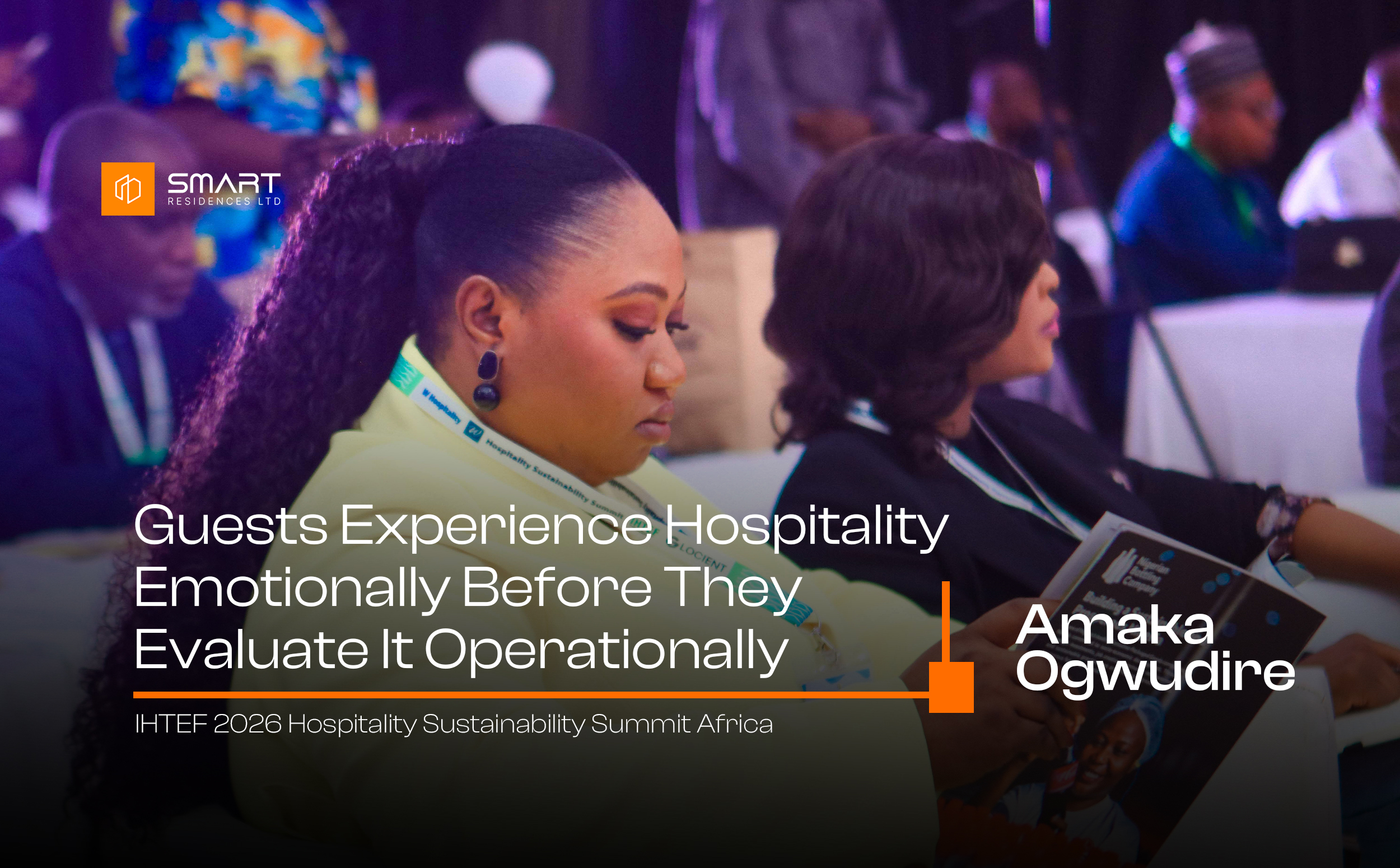
One of the most impactful moments at the IHTEF 9.0 Hospitality Sustainability Summit Africa 2026 came during a presentation delivered by Amaka Ogwudire, Group Head of Business Development at Smart Residences Limited, owners of the Gidanka brand. Speaking on the evolution of hospitality and the changing expectations of modern guests, she stated, “Guests experience hospitality emotionally before they evaluate it operationally.”
That statement reflected one of the most important realities currently reshaping hospitality across Africa.
For many years, hospitality was largely defined by infrastructure, aesthetics, room quality, and physical service offerings. However, guest behavior has evolved significantly in recent years, particularly after the COVID era. Today’s hospitality users increasingly prioritize emotional comfort, flexibility, convenience, personalization, and environments that feel more human-centered rather than purely transactional.

Modern guests are no longer simply searching for accommodation. They are searching for experiences that feel adaptable to their lifestyles. They want environments where they can comfortably live, work, relax, dine, and emotionally disconnect from daily pressure. This shift has played a major role in the growing popularity of serviced apartments and lifestyle hospitality models across major African cities.
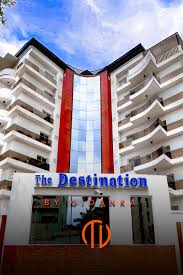
During the summit, Smart Residences shared the story behind the Gidanka hospitality concept and how the brand was intentionally designed around the idea of “home.” The word “Gidanka,” which means “your house” in Hausa, reflects the company’s broader hospitality philosophy centered around emotional comfort, flexibility, and functional living.
Rather than creating rigid hospitality systems, the Gidanka model focused on building adaptable spaces that feel familiar, relaxed, and emotionally welcoming. From kitchens and lounges to flexible living environments, the idea was to reduce unnecessary friction within temporary living experiences while improving guest comfort.

The summit also highlighted how social media and digital visibility have fundamentally changed hospitality operations. Guests now experience brands digitally long before physical arrival. Through reviews, online content, creator storytelling, videos, and guest-generated experiences, hospitality brands are continuously evaluated online in real time.
This growing digital visibility has increased both competition and accountability within the hospitality industry. Operational consistency, responsiveness, communication systems, and service quality now directly shape public perception and digital reputation. As discussed during the session, hospitality brands can no longer rely solely on marketing or aesthetics. Sustainable growth increasingly depends on delivering genuine and consistent guest experiences.
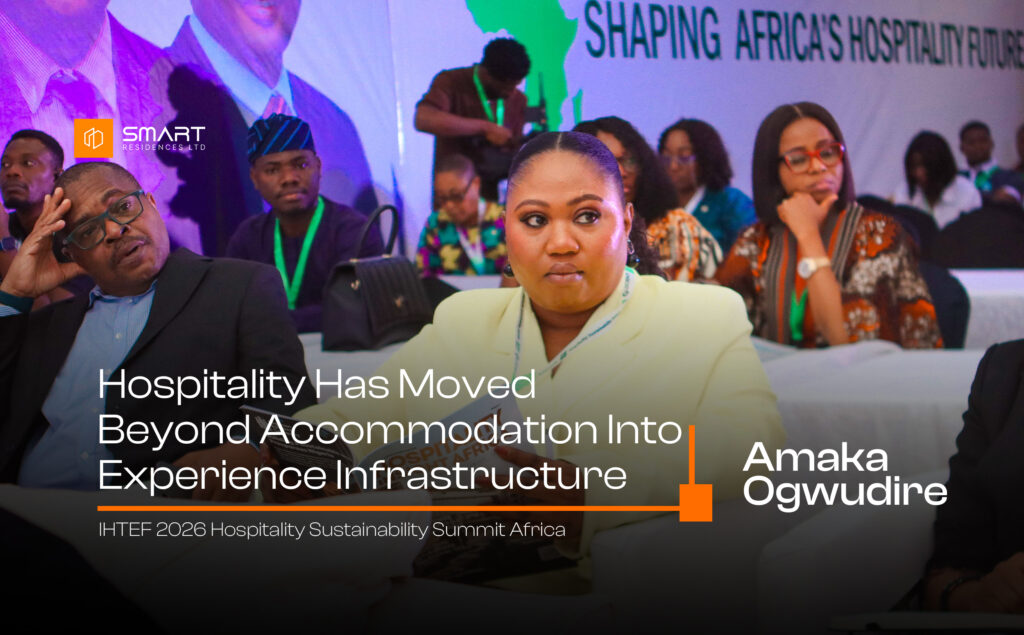
Another major conversation at the summit focused on the future of hospitality ecosystems across Africa. Hospitality is gradually evolving beyond standalone accommodation into integrated lifestyle environments where living, wellness, leisure, dining, retail, commerce, and social experiences coexist more seamlessly. This shift reflects changing urban lifestyles and growing demand for connected experiences across major African cities.
As both sponsors and contributors at the summit, Smart Residences also joined broader conversations surrounding sustainability, operational resilience, and infrastructure realities affecting African hospitality systems. Discussions emphasized the importance of adapting hospitality operations to challenges such as urban expansion, resource pressure, operational continuity, and long-term sustainability.
Yet despite increasing technological advancement and operational automation across the industry, one reality remained central throughout the summit discussions: hospitality remains deeply human.
Technology may improve convenience and efficiency, but emotional attentiveness, responsiveness, warmth, and human interaction continue to define memorable guest experiences. Guests may forget physical details over time, but they rarely forget how a space or experience made them feel emotionally.
As hospitality continues evolving across Africa, the future will likely belong to operators capable of balancing operational systems, digital visibility, sustainability thinking, and human-centered experience design. For Smart Residences and the Gidanka brand, these insights continue shaping the company’s long-term vision for hospitality growth, ecosystem development, and modern lifestyle living across the continent.